
 By fuyuhuaxue@iumrs.com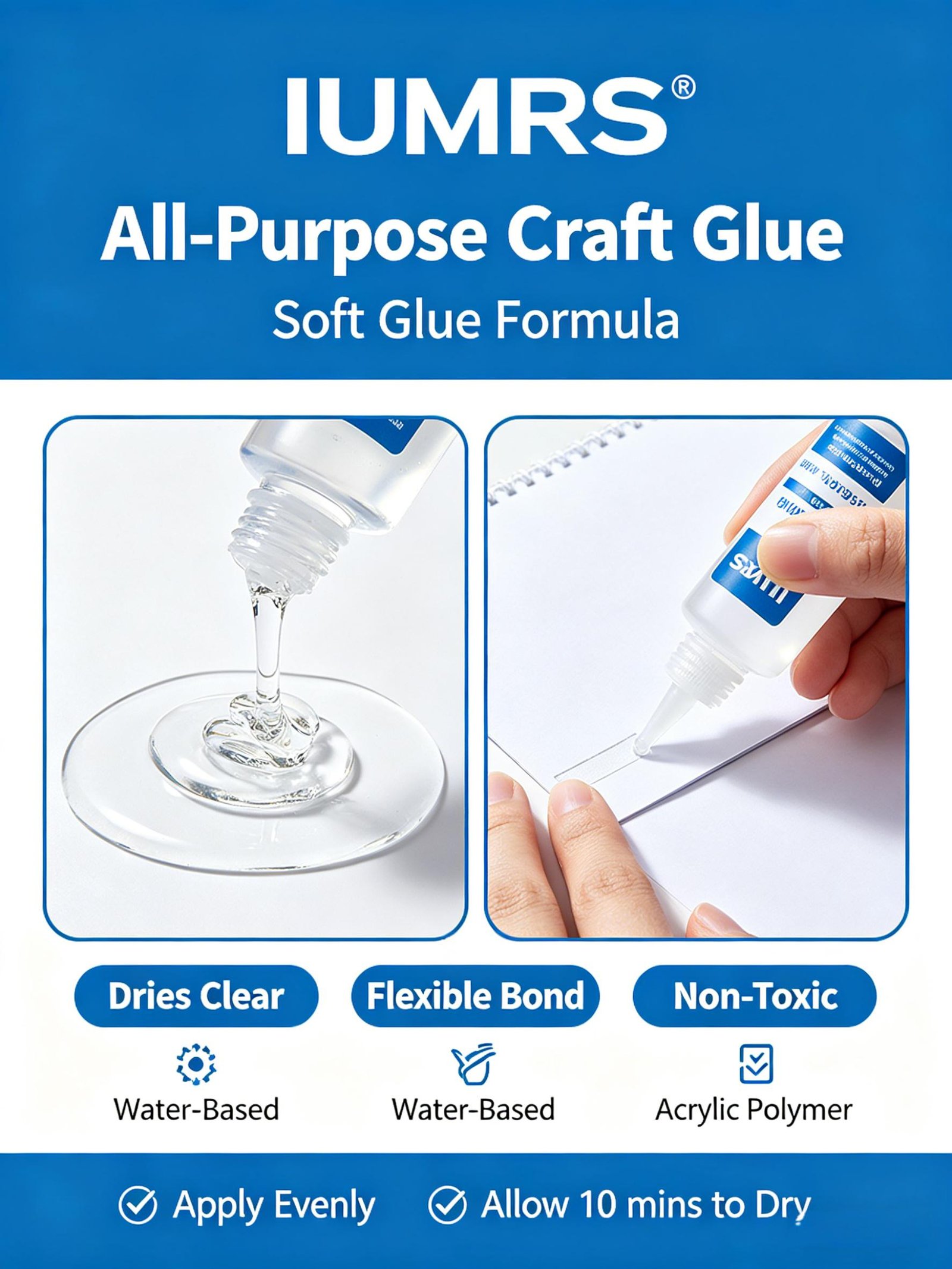
A Sticky Situation We All Know Too Well
Every parent and teacher remembers the moment.
You’re sitting at a kitchen table covered with newspapers. Scissors, colored paper, popsicle sticks, and glitter are scattered everywhere. Your child is beaming with pride, putting the final touches on a school diorama of the solar system. And in their hand is a familiar bottle — white glue.
Then it happens.
A drip lands on the tablecloth. A fingerprint smears across the Saturn model. And somehow, impossibly, glue ends up in their hair.
For decades, this scene has played out in millions of homes. The aftermath usually involves scrubbing, soaking, and sometimes just accepting that a favorite shirt or pair of jeans now has a permanent white stain.
But what if the glue itself could be part of the solution, not the problem?
That’s exactly what IUMRS set out to create.
The Hidden Problem with Ordinary White Glue
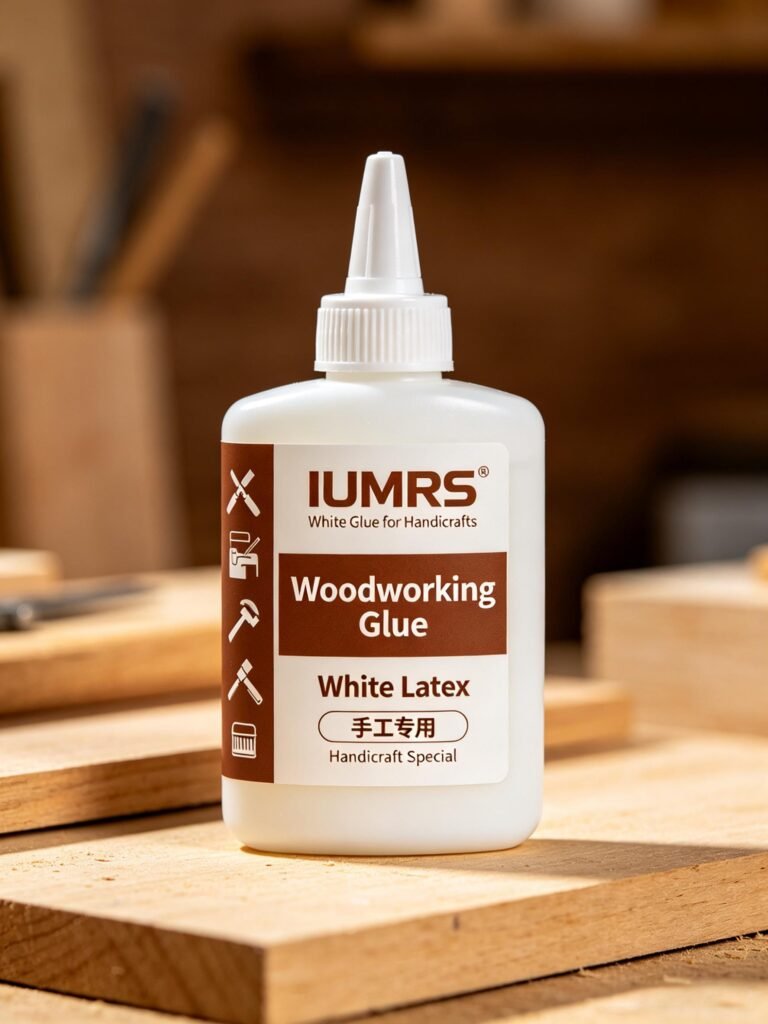
For most of us, white glue is such a familiar part of childhood that we never stop to read the label. We assume all white glues are the same — safe, washable, and simple.
The truth is more complicated.
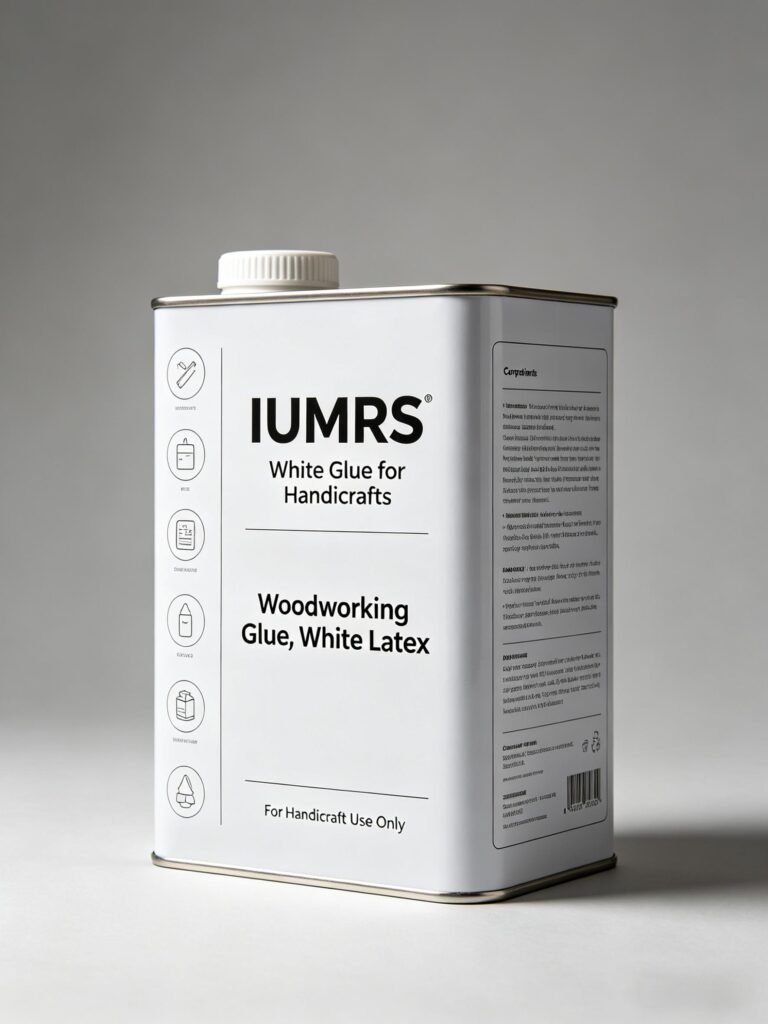
Many conventional white glues contain formaldehyde as a preservative. Formaldehyde is a colorless chemical that, according to the World Health Organization, can cause respiratory issues and skin irritation with prolonged exposure. It’s also classified as a known human carcinogen at high levels.
Now, let’s be clear: the amount in a typical bottle of white glue is very small. But when a child uses glue every week for school projects — when a teacher manages a classroom of twenty students all squeezing, spreading, and sometimes accidentally ingesting glue — those small amounts add up.
Even more troubling, many “washable” white glues aren’t truly washable. They may come off skin with some effort, but fabric? Good luck. Once that glue dries on a sleeve or a tablecloth, it becomes a permanent, stiff reminder of craft time.
And then there’s the issue of flexibility. Have you ever glued felt onto a costume, only to watch the glue crack and peel the first time your child moved? Or repaired a beloved stuffed animal, only to have the glue line snap days later?
Ordinary white glue dries rigid. But children’s crafts, fabric, and soft materials need to move.
This is the gap IUMRS noticed. And this is the gap they decided to fill.
A Cleaner Formula: What IUMRS Does Differently
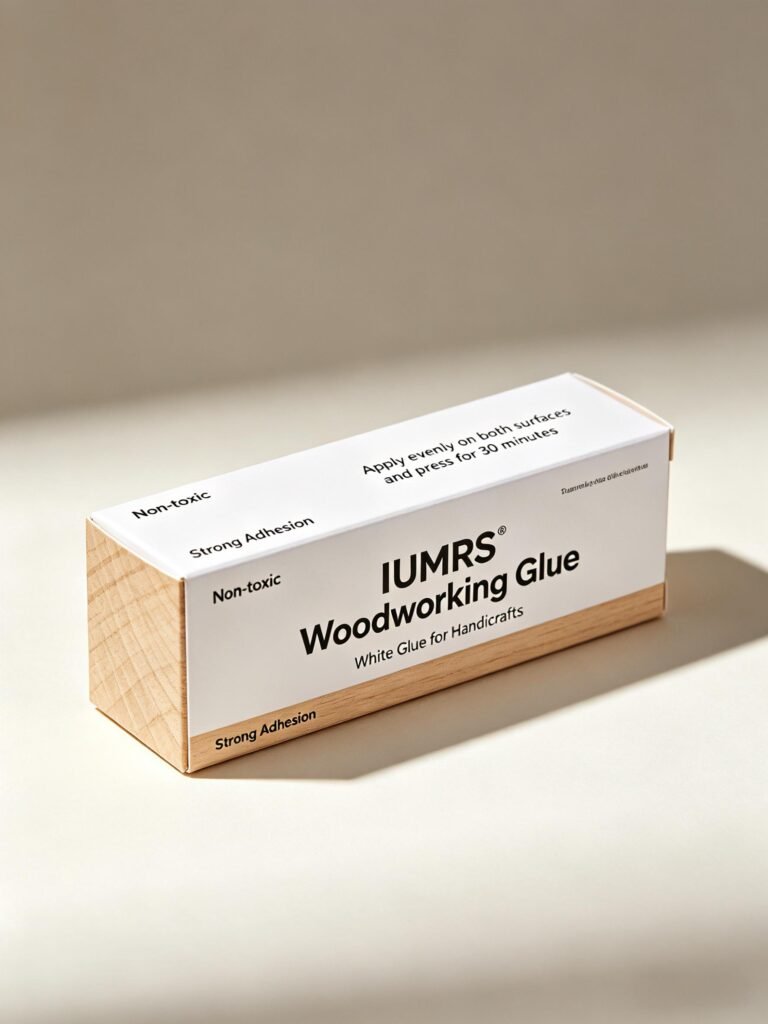
IUMRS didn’t just take an existing white glue recipe and put it in a new bottle. They went back to the drawing board with three non-negotiable principles:
1. Remove what shouldn’t be there.
2. Keep what works.
3. Make cleanup truly easy.
The result is a formaldehyde-free, non-toxic, washable PVA white glue that outperforms conventional options in every category that matters to parents, teachers, and crafters.
Let’s break down what that actually means.
Formaldehyde-Free Doesn’t Mean Less Effective
Some people hear “formaldehyde-free” and assume the glue must be weaker. That’s not how PVA glue works.
PVA — polyvinyl acetate — is the same adhesive base used in high-quality wood glues, bookbinding glues, and professional art adhesives. The strength comes from the PVA itself, not from chemical preservatives.
IUMRS uses a cleaner stabilization process that eliminates the need for formaldehyde while maintaining the same reliable bonding power. Paper sticks to paper. Wood bonds to wood. Popsicle stick houses stay standing.
You don’t sacrifice strength. You just remove the risk.
True Washability — Not Just a Marketing Term
Here’s a simple test you can do at home.
Take a conventional “washable” white glue. Squeeze some onto a piece of cotton fabric. Let it dry completely overnight. Then try to wash it out with soap and warm water.
You’ll find that the glue has bonded to the fabric fibers. It may soften slightly, but it won’t fully release. That shirt is now a craft shirt forever.
Now try the same test with IUMRS White Glue.
Before it dries, it washes off skin and fabric with nothing more than soap and warm water. No scrubbing. No soaking. No tears from your child because their favorite sweater is ruined.
And after it dries? On non-porous surfaces like tables, plastic, or laminated paper, dried IUMRS glue peels off cleanly in a single piece — like dried school glue should.
This isn’t a minor convenience. For parents and teachers managing group activities, easy cleanup is the difference between an enjoyable craft session and a stressful chore.
Flexible Bond That Moves With Your Projects
This is where IUMRS truly separates from the competition.
Most white glues dry into a rigid, brittle layer. Bend the material, and the glue cracks. That’s fine for paper cards or poster boards. But it’s terrible for fabric, felt, foam, or any project that will be handled, worn, or played with.
IUMRS White Glue dries flexible.
The cured adhesive retains elasticity. When your child stretches a felt costume, the glued seam stretches with it. When you repair a stuffed animal’s torn ear, the repair moves naturally with the fabric.
This flexibility also makes IUMRS ideal for:
- No-sew felt projects — Costumes, banners, and wall hangings stay flexible and durable.
- Foam crafts — The glue won’t crumble when foam bends.
- Repairing beloved toys — Soft bonds that won’t re-break the first time the toy is played with.
It’s a small chemical difference that creates a huge practical advantage.
Four Sizes for Every Stage of Life
One of the most thoughtful things IUMRS did was offering their white glue in four different bottle sizes.
This isn’t just about convenience. It’s about respecting how different people actually use glue.
35ml — The Portable Pocket Size
Imagine a parent packing a school supply kit. A teacher sending home a list of required materials. A grandparent wanting to keep a small glue bottle in the craft drawer for occasional repairs.
The 35ml bottle is small enough to fit in a pencil case, light enough to toss in a backpack, and affordable enough to buy without thinking twice.
Best for: Travel crafts, school supply lists, test drives, and emergency repairs.
100ml — The Classic Standard
This is the size most people think of when they imagine a bottle of white glue. Perfect for the average household with one or two crafty kids.
A 100ml bottle of IUMRS will comfortably handle a full school year of dioramas, holiday cards, poster projects, and weekend crafts. Not so big that it dries out before you finish it. Not so small that you’re constantly reordering.
Best for: Most homes, occasional crafters, and families with one or two children.
240ml — The Serious Crafter’s Choice
Once crafts become a weekly habit — once you’re building model volcanoes, setting up felt storyboards, or running a small Etsy shop of handmade cards — the 100ml bottle starts to feel small.
The 240ml bottle offers the best balance of value and usability for frequent crafters. You’re not opening a new bottle every month, but the bottle is still comfortable to hold and squeeze.
Best for: Regular crafters, homeschooling families, and small art studios.
480ml — The Family & Classroom Economy Size
This is the bottle teachers reach for. The bottle daycare centers stock. The bottle that saves you money when you know you’ll be using glue every single day.
The 480ml family size offers the lowest cost per milliliter, designed for high-volume use. It’s not meant to be passed around a table of twenty children — although it can be — but rather to refill smaller bottles or to sit on a teacher’s desk as the master supply.
Best for: Classrooms, daycares, preschools, large families, and workshop settings.
The Classroom Perspective: A Teacher’s Dream
Let’s pause here and consider the classroom.
An average elementary school teacher manages twenty to thirty students. In a single art period, those students might each use glue for thirty minutes. That’s up to fifteen hours of cumulative glue exposure in one room — for one activity.
Now multiply that across a school year.
The cumulative exposure to chemical preservatives like formaldehyde becomes significant. The cumulative cleanup time becomes enormous. The cumulative cost of replacing ruined shirts, stained tables, and failed projects adds up.
IUMRS White Glue addresses all three problems together:
- No formaldehyde means safer air quality in the classroom.
- Washable formula means less time scrubbing desks and less parent frustration over stained clothing.
- Reliable bonding means projects stay together, grades reflect effort, and children feel proud of their work.
Teachers don’t have time to fight with craft supplies. They need supplies that work the first time, every time, without hidden risks or complicated cleanup.