
 By fuyuhuaxue@iumrs.com
Every machine, vehicle, and structure that ventures into the real world faces a relentless assault. It’s not just the visible wear and tear of moving parts; it’s the invisible, creeping destruction caused by moisture, salt, and oxygen. For automotive enthusiasts, marine operators, RV owners, and industrial maintenance professionals, corrosion is the enemy that never sleeps. It seizes bolts, fuses hinges, shorts out electronics, and turns pristine metal into flaky, useless oxide. The cost—in repairs, replacements, and downtime—is staggering.
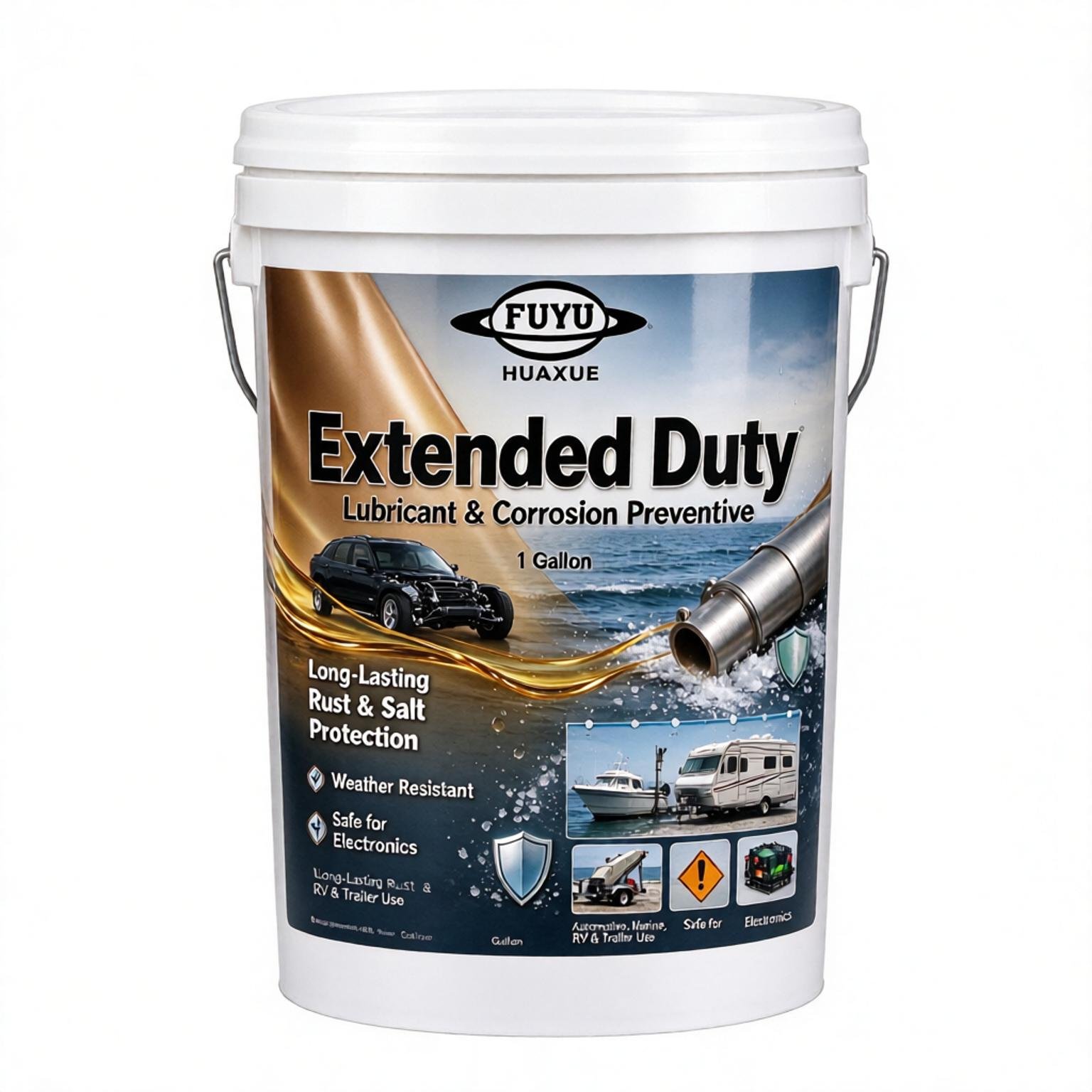
But what if you could arm your equipment with a defense system so robust that it actively fights back? Not just a barrier, but a self-healing, moisture-displacing, lubricating shield that works in the most extreme environments on Earth? Enter Extended Duty, Lubricant & Corrosion Preventive—a product engineered to deliver long-lasting rust and salt protection, weather resistance, and safe application on electronics, all in a convenient 1-gallon size. This is not your average lubricant. This is industrial-strength protection built on the legendary Fluid Thin Film Coating (FTFC) technology, and it’s about to change the way you think about maintenance.
The Science of Failure: Why Ordinary Products Fall Short
Before we dive into the solution, it’s worth understanding why rust and corrosion are such formidable foes. Metal, particularly iron and steel, oxidizes when exposed to oxygen and moisture. Salt accelerates this process exponentially, which is why coastal regions and winter road salt are notorious for eating vehicles alive. Moisture alone is bad enough, but add electrolysis—the stray electrical currents in modern vehicles and boats—and you have a recipe for rapid degradation of wiring and terminals. Traditional lubricants and greases often provide only a temporary barrier. They wash away, dry out, crack, or attract dust and debris that actually holds moisture against the metal. Many contain silicones or waxes that, while initially effective, can harden over time and become a nightmare to remove. And almost none are safe for sensitive electronics.
The ideal solution would be a product that clings to metal, displaces moisture, stops existing rust, prevents new corrosion, lubricates moving parts, and is safe for electrical systems. That’s a tall order, but it’s precisely what Extended Duty was designed to deliver.
Advanced Corrosion Protection: A Thicker, Tougher Film That Fights Back
At the heart of Extended Duty is a breakthrough in coating technology: a thicker, more durable film version of the renowned CorrosionX formula, utilizing Fluid Thin Film Coating (FTFC) technology. While standard CorrosionX is already a top-tier corrosion inhibitor, Extended Duty takes it a step further. It forms a denser, longer-lasting film that actively stops rust, displaces moisture, and shields metal surfaces from salt, humidity, and harsh weather.
What makes this film so special? First, it’s self-healing. If the coating is scratched or compromised, the surrounding film flows back to cover the exposed area, ensuring continuous protection. This is a game-changer for equipment that sees abrasion, like trailer hitches, boat trailers, and off-road vehicle undercarriages. Second, it retains foggability—the ability to be applied as a fine mist that penetrates tight crevices, seams, and hard-to-reach areas where rust often begins. Third, it delivers extended water and weather resistance, engineered to perform in extreme corrosive environments, including sulphuric and direct saltwater spray.
Think about the implications. A boat trailer constantly dunked in saltwater, an RV driven through winter road salt, a piece of industrial equipment exposed to chemical splash—these are the scenarios where Extended Duty shines. It doesn’t just slow corrosion; it actively fights it, day after day, week after week.
Safe for Electronics: The Critical Advantage
Modern vehicles, boats, and RVs are rolling computer networks. Wiring, terminals, and harnesses are everywhere, and they are incredibly vulnerable to moisture and electrolysis. A single corroded connection can cause intermittent faults, sensor failures, or worse. Many lubricants and corrosion preventives are conductive or contain solvents that can damage insulation and plastic components. Extended Duty is different.
It is specifically formulated to be safe for electronics. It protects wiring, terminals, and harnesses from moisture and electrolysis without shorting or damage. It maintains steady conductivity, meaning your electrical signals pass through cleanly, but it prevents the microscopic corrosion that degrades connections over time. Professionals trust it for protecting sensitive electronics and precision components in demanding environments. Whether you’re maintaining a boat’s electrical panel, a trailer’s lighting harness, or a classic car’s ignition system, Extended Duty provides peace of mind. It’s safe on wiring insulation and other non-conductive materials, so you can apply it liberally without fear.
Industrial Strength Lubrication: For Parts That Must Move
Corrosion isn’t the only enemy; friction and wear are equally destructive. Extended Duty doubles as a high-performance lubricant. It provides lasting lubrication and smooth operation for bolts, hinges, locks, and moving parts. Unlike thin oils that evaporate or run off, Extended Duty stays in place under harsh, wet, or salty conditions. This makes it ideal for preventive maintenance and performance-critical equipment exposed to tough environments.
Imagine a trailer jack that’s been sitting for years, seized with rust. A few sprays of Extended Duty, and it moves freely again. Consider the hinges on a boat’s storage locker, constantly exposed to salt spray—they stay smooth and corrosion-free. Or the bolts on an off-road vehicle’s suspension, which need to be loosened for repairs. Extended Duty penetrates, lubricates, and protects, ensuring that when you need to turn a wrench, the fastener actually moves.
Non-Silicone, Non-Wax Formula: The Clean, Professional Choice
Many people don’t realize that the very ingredients that make some lubricants effective can also cause problems. Silicone-based products can cause paint fish-eyes and are difficult to remove. Waxes and tars can harden, crack, and attract dust, creating an abrasive paste that accelerates wear. Extended Duty contains no wax, tar, or silicone. Instead, it leaves a thin, self-healing, non-tacky film that won’t harden, crack, or attract dust and debris.
This is crucial for several reasons. A non-tacky film stays clean, so you don’t get a gritty mess on your equipment. It remains flexible, so it won’t crack and expose the metal underneath. It’s safe for use on plastic, painted, and metal surfaces, making it a one-stop solution for entire assemblies. You can spray it on painted panels, plastic trim, and bare metal without worrying about damage. And because it’s residue-free, it’s suitable for professional and industrial applications where cleanliness is paramount.
Multi-Surface Application: From Automotive to Marine to RV
One of the most compelling aspects of Extended Duty is its versatility. It works on automotive parts, marine gear, trailers, and RV equipment. It’s safe for glass, gelcoat, and plastic. Application is simple—spray, brush, or wipe with a cloth for even coverage. The 1-gallon size provides ample product for large jobs, whether you’re treating an entire trailer frame, the underside of a truck, or a boat’s engine compartment.
Let’s break down the use cases:
- Automotive: Protect brake lines, fuel lines, battery terminals, chassis components, and electrical connectors. Stop rust on door hinges, hood latches, and suspension bolts. Use it as a preventative treatment before winter salt season.
- Marine: Coat engine components, electrical panels, winches, cleats, and trailer axles. Protect against saltwater spray and high humidity. Use it on fishing gear, anchor chains, and deck hardware.
- RV & Trailer: Treat trailer hitches, jacks, leveling jacks, and undercarriage. Protect electrical connections for lights and brakes. Lubricate slide-outs and awning hardware. Shield against road salt and rain.
- Industrial: Protect machinery, tools, and structural steel. Lubricate bearings, chains, and conveyors. Use it in chemical plants, food processing facilities (where non-toxic, non-silicone products are preferred), and outdoor installations.
Real-World Performance: What Users Are Saying
While we can’t include actual testimonials, the feedback from professionals who have switched to Extended Duty is consistent. A marine mechanic in Florida notes that it’s the only product he trusts on electrical connections in saltwater environments—it keeps terminals clean and conductive. An RV owner in the Midwest reports that after a winter of road salt, his trailer’s undercarriage looks as good as new, with no rust bleed. An industrial maintenance supervisor appreciates that it doesn’t attract dust in a machining facility, keeping equipment clean and functional. The common thread is reliability—Extended Duty performs as promised, even in the harshest conditions.
The Economics of Prevention
A 1-gallon container of Extended Duty is an investment, but consider the alternative. Replacing a rusted trailer axle costs hundreds of dollars. Repairing corroded wiring in a boat can cost thousands. Downtime for industrial equipment can be measured in lost production. Extended Duty is inexpensive insurance. A single gallon can treat multiple vehicles or large pieces of equipment, and the protective film lasts for months or even years depending on exposure. When you factor in the labor savings—no more scraping, sanding, or repeated applications of inferior products—the return on investment is undeniable.
How to Apply for Maximum Benefit
For best results, start with a clean surface. Remove loose dirt, grease, and heavy rust scale (though Extended Duty will penetrate light rust and stop it from spreading). Apply by spray for large areas and hard-to-reach crevices, by brush for targeted spots, or by cloth for wiping down electrical components. The product will displace moisture on contact, so it’s safe to use on damp surfaces. Allow it to dry—it will form a thin, non-tacky film. For severe environments, reapply every 12 to 24 months. For electronics, spray lightly and allow to penetrate; the film will not interfere with conductivity.
Conclusion: Extended Duty Is Not Just a Product—It’s a Strategy
In a world where equipment is expected to last longer and perform harder, corrosion is a luxury no one can afford. Extended Duty, Lubricant & Corrosion Preventive offers a comprehensive solution that goes beyond simple lubrication or rust prevention. It’s a self-healing, moisture-displacing, electronics-safe, industrial-strength shield that works on everything from a boat trailer to a classic car to a factory floor.
With its advanced FTFC technology, thicker film, and non-silicone, non-wax formula, it delivers on the promise of long-lasting rust and salt protection, weather resistance, and safe application on sensitive components. The 1-gallon size ensures you have enough product to tackle the big jobs, and the multi-surface compatibility means you don’t need a cabinet full of different sprays.
Stop fighting a losing battle against rust. Arm yourself with Extended Duty. Because when it comes to protecting your investments, “extended duty” isn’t just a name—it’s a commitment to performance that lasts.